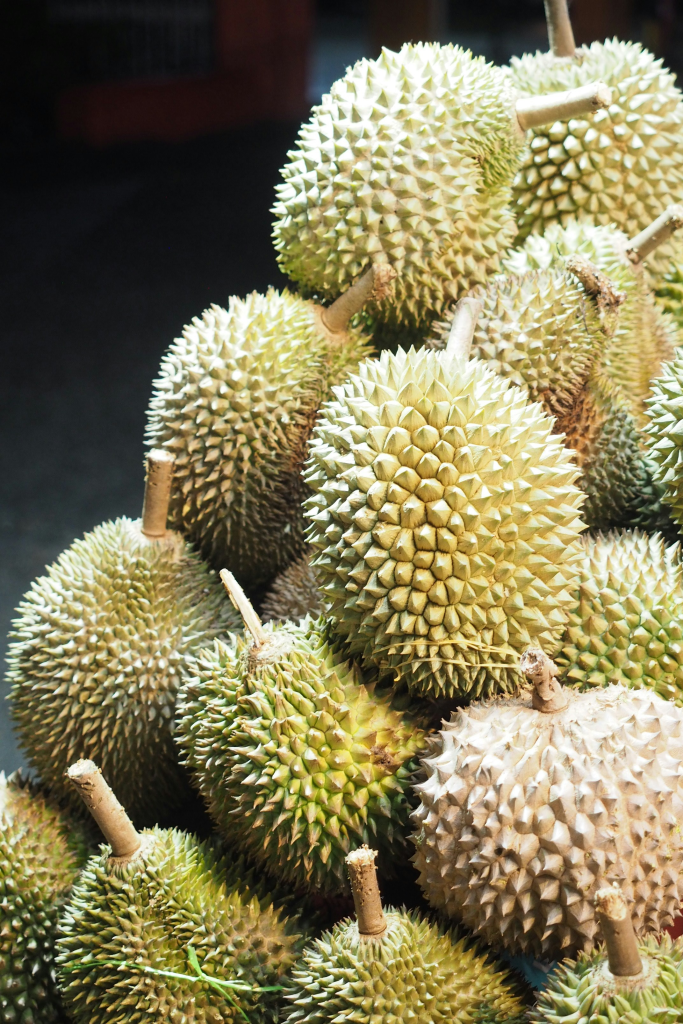
In international relations, soft power travels through unexpected channels: trade, culture, food. The rise of durian diplomacy — Southeast Asia’s strategic expansion of durian exports into China — offers a vivid example.
China is now the world’s largest importer of durian, sourcing premium varieties from Thailand, Malaysia, Vietnam, Indonesia, and Cambodia. These exports are far more than agricultural transactions. They rest on negotiated trade agreements, diplomatic engagement, and rigorous systems of health certification, regulatory compliance, and traceability. They are also symbolic gestures reinforcing broader regional partnerships.
Durian itself is famously divisive. Its aroma has been described as “tastes like heaven and smells like hell.” Others have desribed it as “rotting flesh with notes of honey,” or “sweet cream mixed with garlic and petrol”. Its pungent aroma explains the signs banning it in hotels and airports across Malaysia and Singapore. I once drew puzzled looks attempting to transport durians in a taxi in central Java, unaware of the social taboo. Durian is not for everyone.
Its success in China did not come from changing its identity. Instead, exporters refined its presentation. Premium durian was positioned as a luxury product, supported by meticulous documentation and supply chain traceability. The delay before Indonesian frozen durian exports finally commenced in late 2025 reflected these regulatory negotiations. Marketing narratives emphasised heritage, quality, and exclusivity.
Complexity was not erased. It was translated.
This is the essence of strategic communication.
In academic research, public policy, and international business, ideas require more than substance. They must be framed for context, aligned with audience expectations, and able to cross linguistic and cultural boundaries without losing coherence.
Durian diplomacy highlights four enduring principles.
Audience insight shapes influence. Exporters recognised not only consumer demand but aspiration within China’s expanding middle class. Durian became something to be seen eating. Effective writing likewise begins by aligning content with its intended audience — whether journals, funding bodies, procurement panels, or policy stakeholders.
Precision builds credibility. Agricultural exports depend on meeting sanitary standards and importing country requirements. In professional editing, structure, argumentation, and consistent referencing serve the same purpose. Precision signals seriousness.
Cultural fluency strengthens connection. Economic exchange between China and Southeast Asia unfolds within nuanced social and linguistic contexts. Understanding regional norms — including Indonesian and Malay environments — can materially shape how a document is received.
Refinement determines impact. Durian became a diplomatic symbol because it was embedded in a broader narrative of partnership. Likewise, high-level editing strengthens argument and broadens reach. It is not cosmetic correction. It is strategic positioning.
From durian farms in Bangka or Tasikmalaya to markets across China, durian diplomacy illustrates a simple truth: when ideas are carefully structured, contextually aware, and clearly articulated, they open doors.