
As the entire world is discovering, artificial intelligence (AI) can analyse, code, solve complex problems, and even write and translate poetry.
Using AI to ‘soften’ emails
But what is AI mostly used for? Helping people turn or ‘soften’ an email like this:
“You still haven’t sent what I asked for last week!!!”
Into:
“I hope this finds you well. I just wanted to gently follow up on my note below when you have a moment.”
“Softening” can make an email less blunt and confrontational, instantly transforming what may come across as a hasty, ill-tempered message into something warm and breezy. It adds tact and, most importantly, reduces unnecessary conflict in the workplace.
For these reasons alone, working life in 2026 is, as they say in Javanese, luwih ayem trentrem (calmer and more peaceful).
But let’s face it, AI is seriously underutilised.
Universities are struggling with responsible AI use
For example, a 2026 report on responsible AI in academic research found that universities, which house the world’s smartest minds, are struggling to address AI, let alone use it.
While academic journals and publishing houses have moved quickly to regulate AI authorship and disclosure, universities have done little more than issue stern warnings about plagiarism and misconduct.
Universities are failing to provide practical guidance on which academic research tasks AI should perform and to what extent it should be used, if at all.
Also, unis provide no advice to academics who, in an institutional culture of “publish or perish”, have ill-advisedly yet understandably used AI to fast-track their output. And for what? Only to find their work politely rejected by exhausted journal editors, swamped by a flood of AI-assisted manuscripts.
AI in academic research: A brain the size of a planet
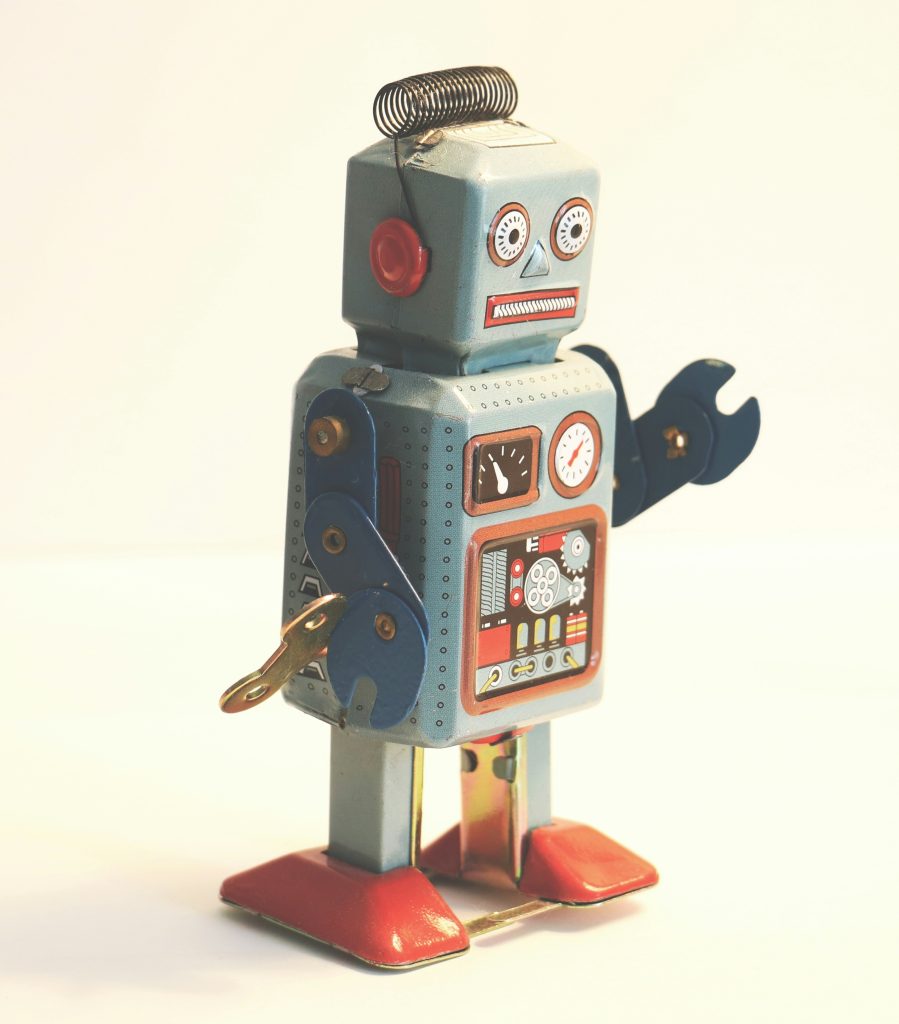
The result is a little like Marvin the Paranoid Android from Douglas Adams’ Hitchhiker’s Guide to the Galaxy: a robot with an extraordinary level of intelligence – literally, he has a brain the size of a planet – who, because no one knows how to use his unique abilities, spends most of his time standing around, waiting to deliver cups of tea, escort hitchhikers to the bridge, or park cars. Understandably, Marvin becomes very depressed.
AI detox: Restore your academic voice
If you are struggling in this brave new world, don’t be like Marvin: send your AI-co-authored manuscript to Wise Directions and let us detox your writing from AI and help you rediscover your original voice.
– Marshall, Brisbane, August 2026